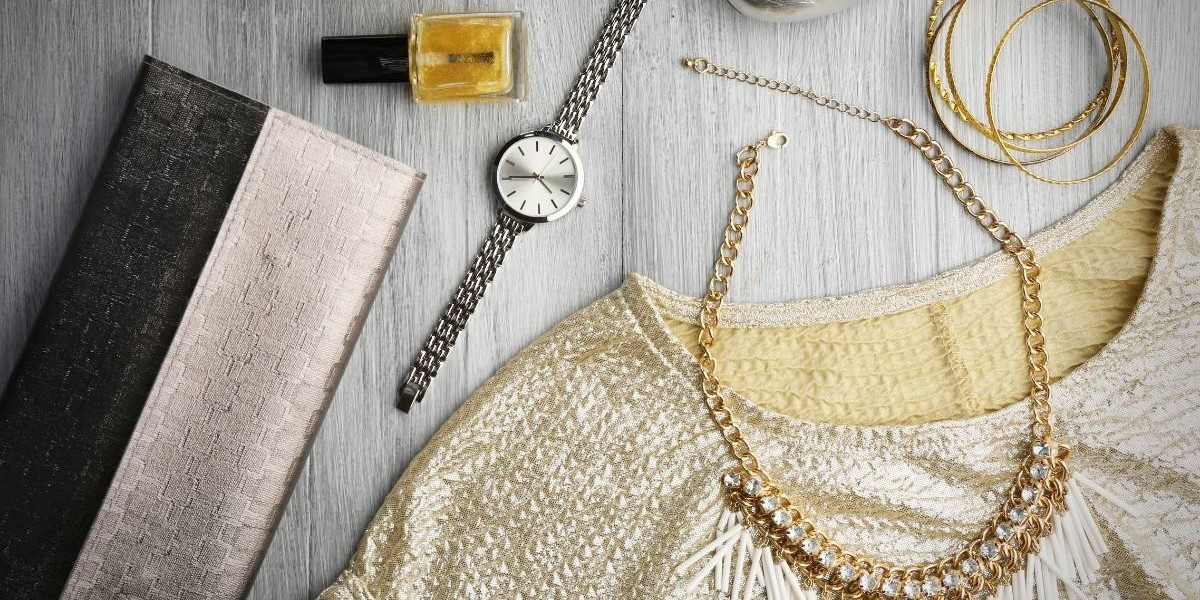
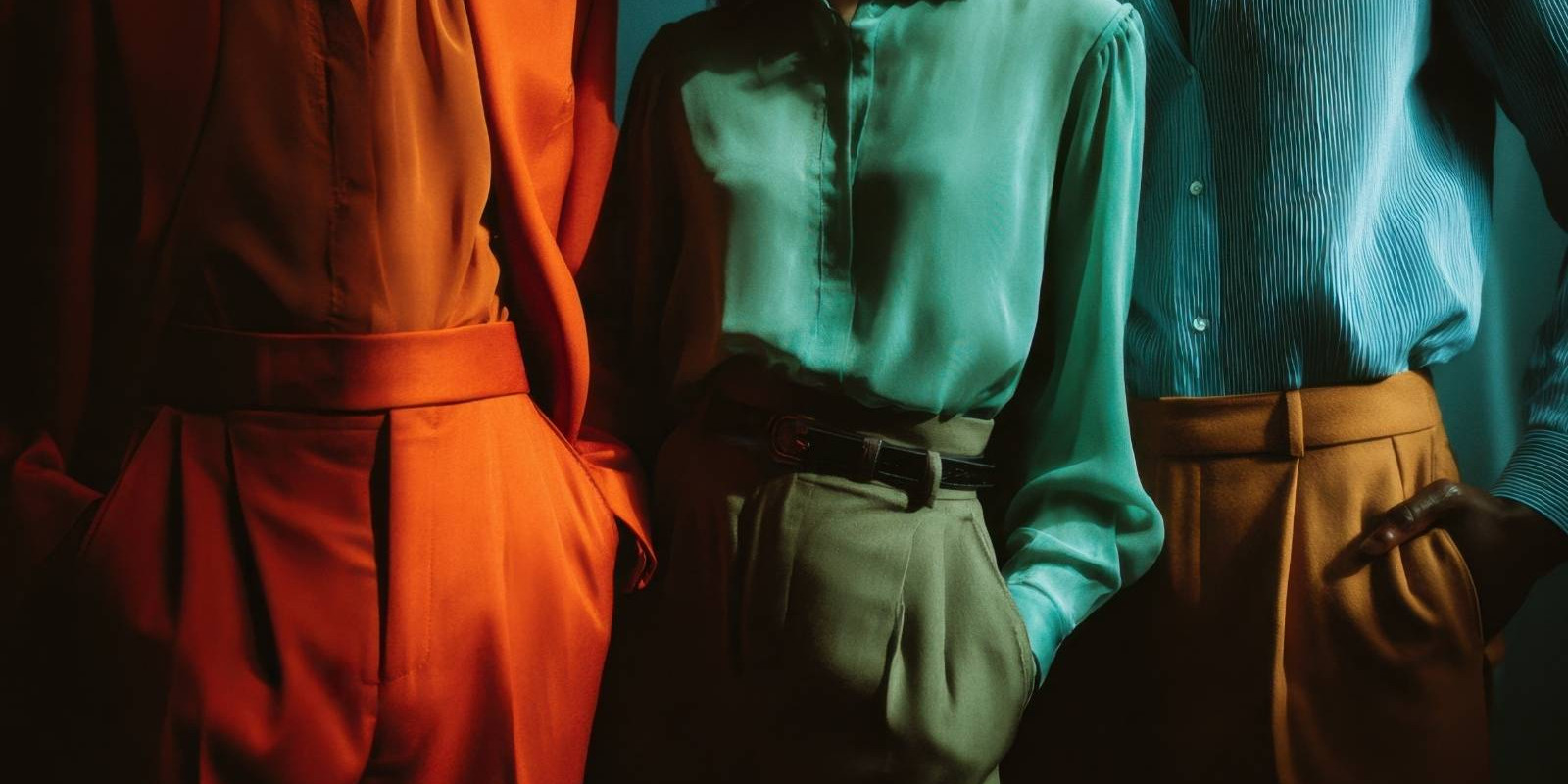
Design has evolved beyond aesthetic preference. Modern living demands intentionality—spaces, objects, and clothing that reflect purpose, sustainability, and emotional clarity. People are buying fewer but better things, choosing pieces that tell stories, and surrounding themselves with design that improves the quality of everyday life. The era of disposable trends is ending. Thoughtful design is becoming the new standard.
The Rise of Purpose-Driven Choices
Consumers today expect more from designers and creators. They look for authenticity, transparency, and craftsmanship that respects both people and materials. Thoughtful design considers how things are made, how long they last, and how they support meaningful experiences rather than cluttering life with excess.
Purpose-driven buying habits reflect a cultural shift:
- Quality over quantity
- Sustainability over seasonal trends
- Emotional connection over impulse consumption
Design is no longer decoration—it is a philosophy.
Human-Centered Environments
Spaces shaped with intention impact behavior, productivity, and emotional wellbeing. Every detail contributes to the lived experience: texture, proportion, flow, silence, and light. Thoughtful environments reduce stress, increase comfort, and support clarity—whether in a home, a workspace, or a public setting.
Intentional design creates conditions where people think better, feel better, and live better.
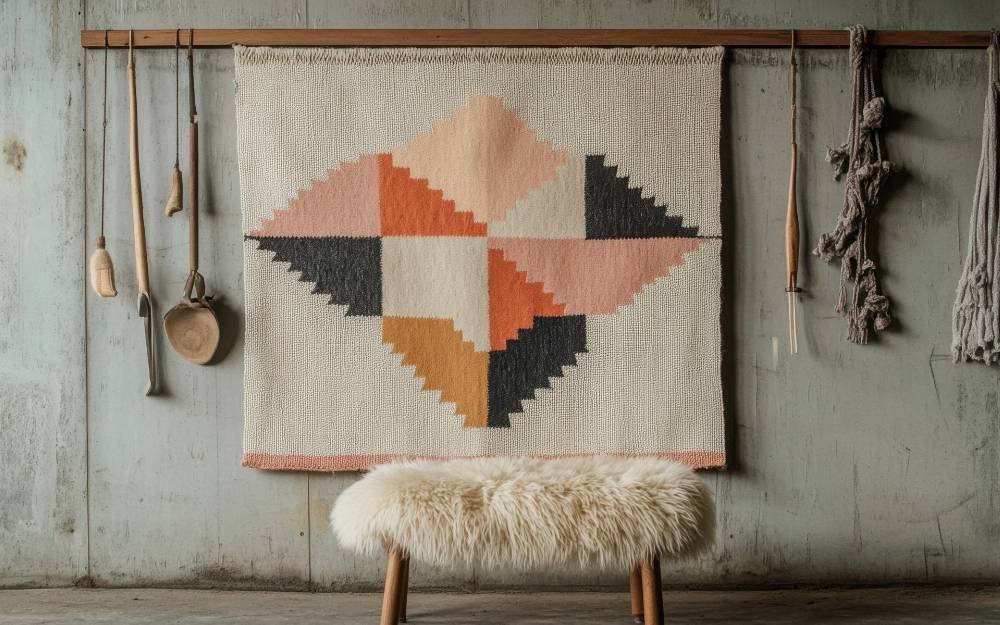
Craftsmanship and Material Integrity
Materials tell the truth. Natural fibers, handcrafted goods, and durable construction deliver authenticity and longevity. In contrast, mass-produced objects built for speed and volume lack soul and quickly lose relevance.
Design built on craft honors:
- Timelessness instead of trend cycles
- Skills passed from maker to maker
- Respect for natural resources
- Objects meant to last and be cared for
People are returning to pieces that mean something—objects with identity and story.
Design as Cultural Expression
Thoughtful design preserves heritage and supports local creative communities. It becomes a medium for cultural storytelling and a bridge between tradition and modern innovation. When people choose meaningful design, they invest in culture instead of waste.
Conclusion
Intentional style is not minimalism for aesthetic’s sake—it is clarity of purpose. It is the belief that the things we surround ourselves with should add value, not noise. Thoughtful design offers balance, connection, and depth in a world moving too fast. It transforms everyday living into a curated experience built on meaning rather than accumulation.
Those who understand this shift are shaping the future of modern lifestyle.