
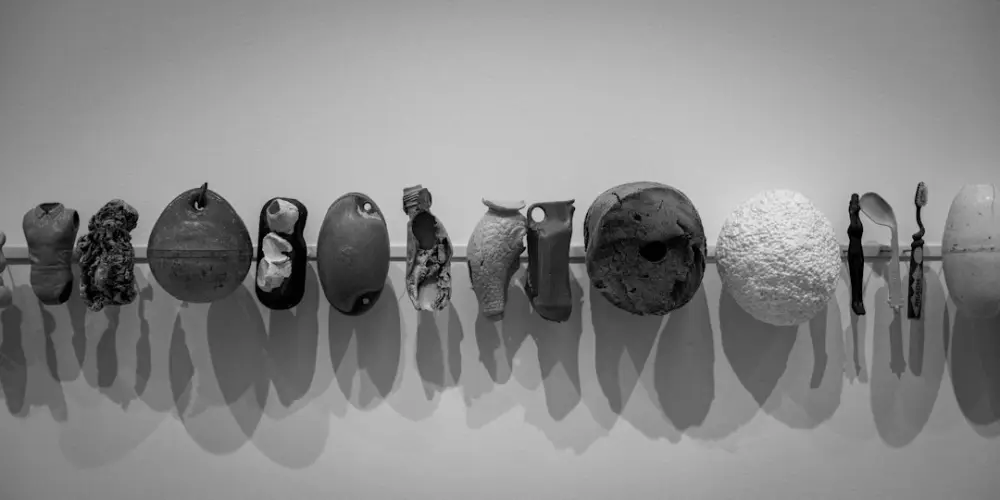
Art objects and personal identity refers to the way individuals use physical creative works—such as paintings, sculptures, or handcrafted items—to express, explore, and solidify their sense of self. These objects serve as external markers of internal values, memories, and cultural affiliations, allowing people to communicate who they are to themselves and others.
Integrating specific pieces into a living space is a practical exercise in self-definition. Rather than following transient trends, selecting an object involves a process of recognition where the viewer sees a reflection of their own aesthetic or ethical priorities in a physical form. This intentionality transforms a house into a curated environment that supports psychological well-being.
Art Objects as Mirrors of the Self
The objects we choose to keep in our immediate environment function as a visual language. When you select a hand-thrown stoneware bowl with a visible thumbprint from the maker, you are often making a statement about the value of human touch and imperfection. This choice mirrors a personal belief in authenticity over mass production. In this way, art objects act as mirrors, reflecting the traits we either possess or aspire to cultivate.
Consider the placement of a heavy, brutalist bronze sculpture on a desk. For a professional, this object might represent a commitment to stability and strength. The physical weight and tactile nature of the piece provide a grounding sensory experience during the workday. These interactions are not merely decorative; they are reinforcements of identity. By surrounding ourselves with items that resonate with our internal state, we create a feedback loop that stabilizes our sense of who we are, even as external circumstances change.
Psychology of Personal Connection to Art
The psychological bond between an individual and an art object often stems from emotional resonance and cognitive association. Psychologists have long noted that humans use "self-extension" to incorporate external objects into their personal identity. When a piece of art evokes a specific memory or a particular feeling—such as the calm of a coastal landscape or the energy of an abstract geometric print—it becomes a part of the owner's narrative.
This connection is frequently rooted in self-congruity theory, which suggests that we are drawn to items that match our self-concept. For example, a person who views themselves as analytical and organized may gravitate toward minimalist photography or precision-engineered kinetic sculptures. The object becomes a psychological anchor. In a high-stress environment, looking at a piece that embodies one's preferred state of mind can serve as a tool for emotional regulation, helping to return the individual to their intended sense of self.
Cultural Narratives and Identity
Art objects also serve as bridges to cultural heritage and collective history. Choosing a piece of traditional weaving or a contemporary photograph of a specific city can be a way of signaling membership in a group or a connection to a specific geography. These objects tell a story about where a person comes from and what they value about their lineage. They allow for the expression of complex identities that may involve multiple cultures or a deep respect for specific historical movements.
In a modern home, this might look like a collection of mid-century modern glassware that honors a family’s history in industrial design, or a series of indigenous carvings that reflect a commitment to environmental stewardship. These items act as touchstones for conversation and self-reflection. They provide a sense of continuity in a world that often feels fragmented, linking the individual to a broader human story through the medium of craft and artistic expression.
Building a Collection with Purpose
Building a collection is an iterative process that requires patience and a clear understanding of one's evolving tastes. To finally start an art collection that actually reflects your identity, it is necessary to move beyond impulsive purchases. This involves researching artists, understanding materials, and choosing design objects for their craft, rather than their ability to fill a void on a shelf.
A purposeful collection might begin with a single high-quality lithograph or a unique ceramic vase. Over time, as you add pieces, a theme usually emerges—perhaps a focus on organic forms, a specific color palette, or a dedication to local artisans. This curation is a form of self-editing. By deciding what does not belong in your space, you clarify what does. This disciplined approach ensures that every object in the home serves a function, whether that function is utility, aesthetic pleasure, or the reinforcement of personal values. It moves the focus from consumption to stewardship.
Where to Begin with Intentional Art Selection
Refining your personal identity through your surroundings is a deliberate practice. To begin the process of aligning your physical space with your internal values, consider these foundational actions:
- Start by auditing your current environment to identify which objects currently reflect your values and which were purchased based on fleeting trends.
- The first step in selecting new pieces is to define three core pillars of your identity—such as "connection to nature" or "industrial precision"—to serve as a filter for future acquisitions.
- To begin your research, explore different mediums and textures to see which tactile experiences, like the coolness of basalt or the warmth of wool, resonate most deeply with you.
- Next, visit independent galleries or artist studios to observe how specific works influence your emotional state in person before making a commitment.
- Finally, choose one "anchor" object that embodies your primary aesthetic goal and place it in a prominent area to set the tone for your evolving collection.
Icelandic Art and Modern Identity
In the context of Icelandic design, the relationship between objects and identity is often defined by the raw materials of the landscape. Objects made from volcanic basalt, local wool, or reclaimed wood carry a specific weight and texture that reflect the resilience and creativity required to live in a northern climate. Choosing these items is a way of embracing a refined, minimalist aesthetic that is deeply rooted in the natural world. It is about finding beauty in the rugged and the functional, which is a core component of modern Icelandic identity.
For those looking to integrate these themes into their own lives, the focus should remain on intentionality. Whether it is a piece of mouth-blown glass that captures the shifting light of a Nordic winter or a textile that brings warmth to a concrete room, these objects help define the boundaries of our personal world. At Kiosk Reykjavík, we believe that the things you choose to live with should be as considered as the life you lead. By selecting objects with integrity, you are not just decorating a room; you are shaping the physical manifestation of your identity, creating a space that feels truly and permanently like home.