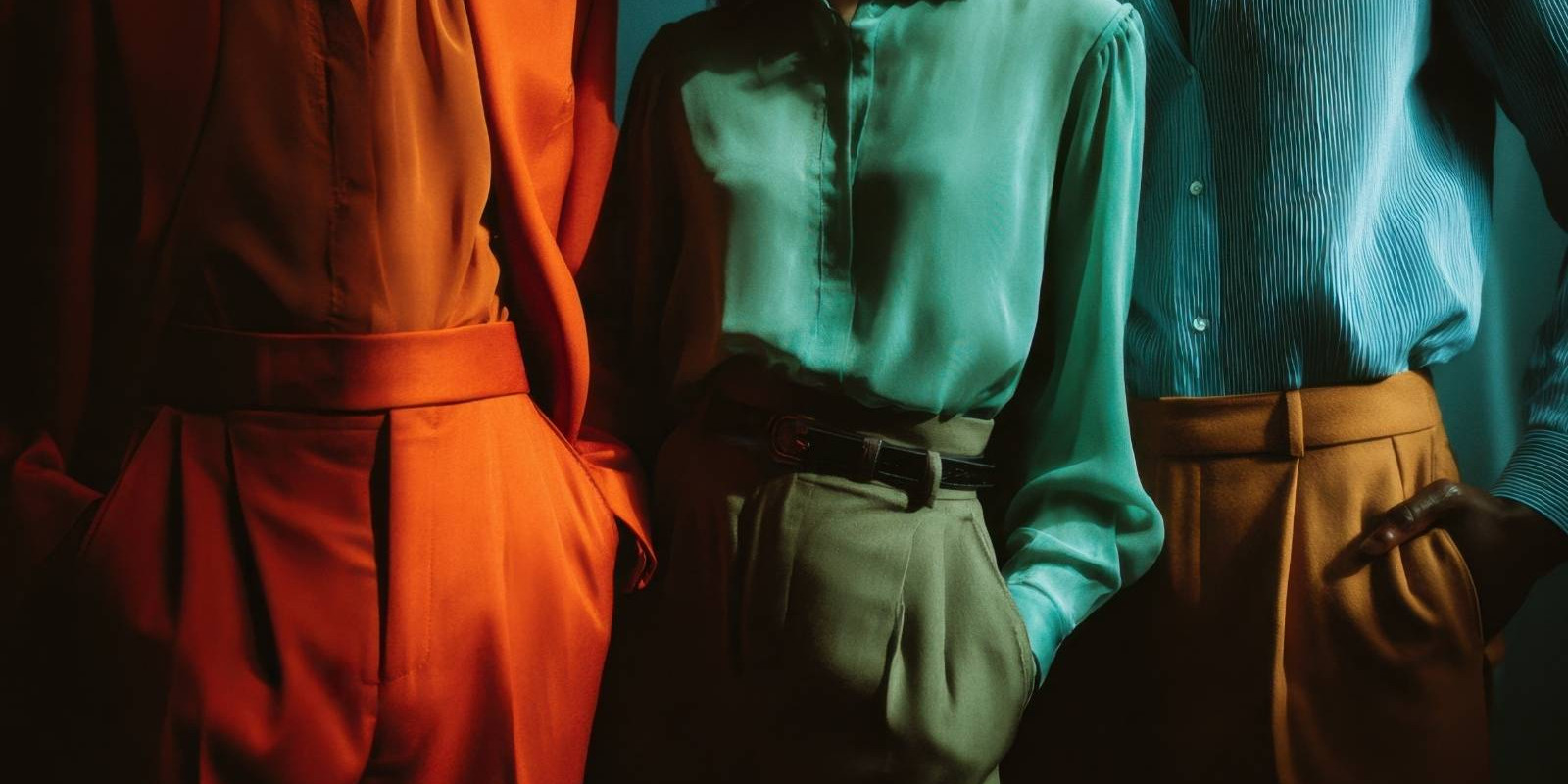
The design world is experiencing a cultural shift. People are rejecting disposable trends and mass-produced sameness in favor of pieces built with integrity—objects that reflect authenticity, durability, ethical production, and meaningful intent. The market is no longer driven purely by what is new, but by what is real. Consumers want design that holds value, not noise.
The Decline of Fast Aesthetics
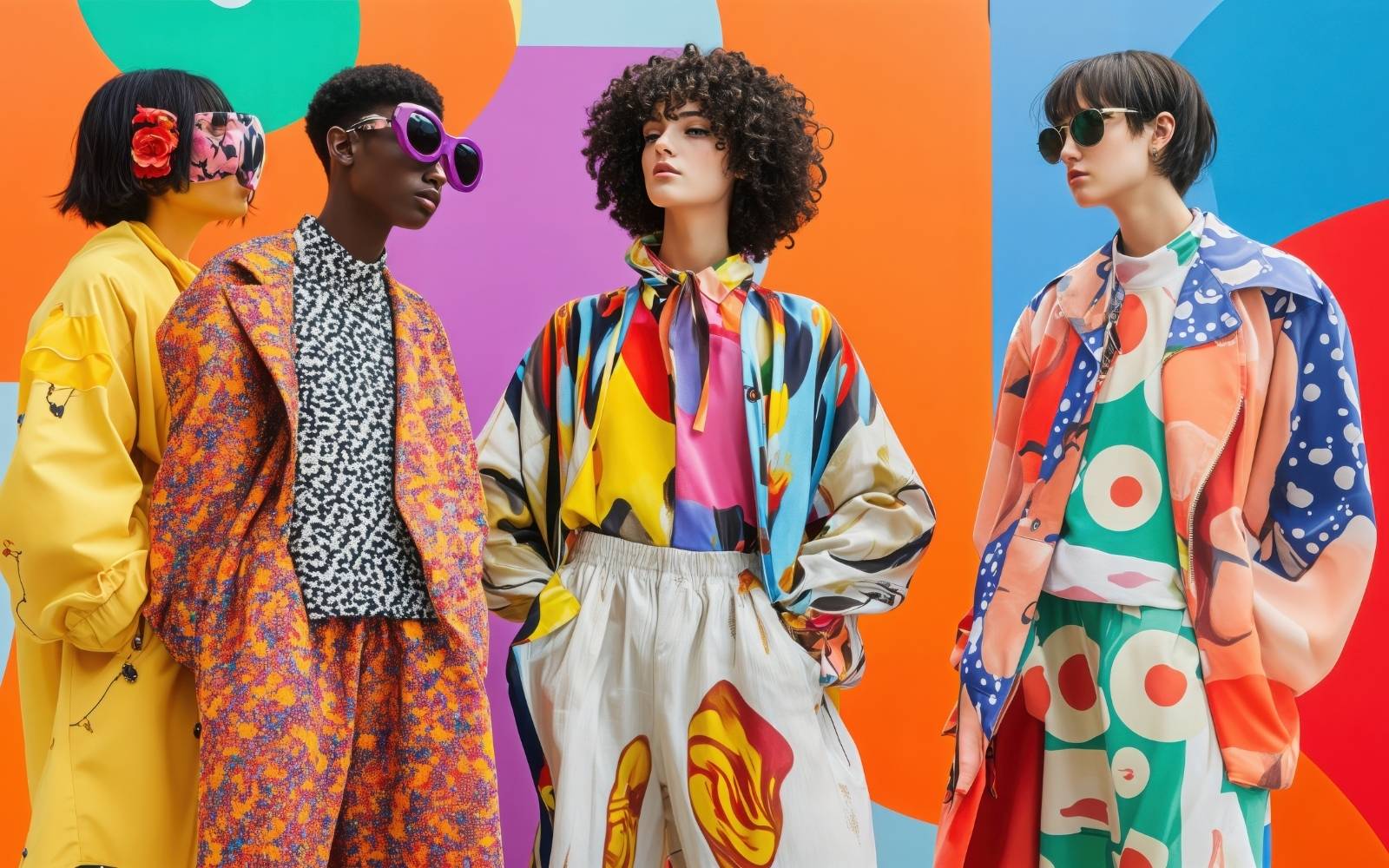
Fast design once thrived on speed: constant releases, seasonal changes, and viral visual styles that disappeared as quickly as they arrived. Today, fatigue has set in. Audiences are demanding honesty over hype. They want proof of craftsmanship, transparency in sourcing, and creations that stand for something.
This shift is driven by:
- Frustration with disposable quality
- Desire for emotional and cultural connection
- Growing awareness of environmental impact
- Appreciation for human skill and artisan techniques
The world has changed, and expectations have matured.
Design With Integrity Builds Trust
Integrity is now a competitive advantage. When creators demonstrate respect for materials, method, and story, they earn loyalty rather than transactions. Authentic design reflects values—precision, patience, and responsibility. It resonates deeper because it is built to last, not built to sell quickly.
Design integrity means:
- Materials chosen with purpose
- Transparent and ethical production
- Function that lasts beyond the trend cycle
- Human craftsmanship visible in every detail
Consumers are willing to invest in pieces that feel honest and enduring.
Quality as an Emotional Experience
People feel differently when surrounded by objects that have depth. Pieces made with intention create a sensory and emotional response—texture, weight, color, silence, and presence shape our daily environment. These characteristics cannot be replicated by fast, hollow production.
Integrity transforms design into experience.
Sustainability and Responsibility
Well-made products reduce waste, honor resources, and support makers rather than systems built on exploitation. Sustainability has become inseparable from modern design integrity—and consumers recognize the difference between marketing language and real action.
Long-lasting items reduce consumption and restore respect for value.
Conclusion
The future of design is built on integrity, not trends. People are choosing objects that reflect meaning, origin, and craftsmanship. They are investing in pieces that grow richer with time rather than become irrelevant at the next season’s release. Integrity is the new luxury—and the new standard for modern living.
Those who embrace authenticity will define the next chapter of design culture.
Related Posts
How to finally start an art collection that actually means something
Discover how to start an art collection…
How to actually tell if a design piece is worth the investment
Discover how to evaluate design…